

Finding behavior change procedures to solve social injustices
- lizziedunavin
- May 31, 2020
- 4 min read
Let me start by saying, if you read the title you know this is not a debate over what is right or wrong. The world is experiencing social injustices every day. People are stepping up to draw attention to these issues with peaceful protests, violent protests, silent protests, marching protests, protests lying down, and protests marching down the streets. Individuals are standing up for what they believe is right in whatever way they believe is right. This blog isn't here to debate opinions on the matter. Instead I would like to start an open dialogue of strategies that may be effective in creating real behavior change to solve these socially significant problems.
The next section of this post is going to discuss my opinions on the matter. I want to make this very clear, although I may bring in some research to support my opinions, they are just that, my opinions. I am not the only individual with ideas surrounding the topic of social injustices and I would love to hear more! I would love to have an open conversation without anger or hate, simply understanding and intellectual questioning. I want to be able to walk away from a debate and say, you make great points, I would love to table this discussion for later while I do more research on the topic. I would love for all individuals to open their minds to discuss matters that truly matter with a mindset of change, not anger.
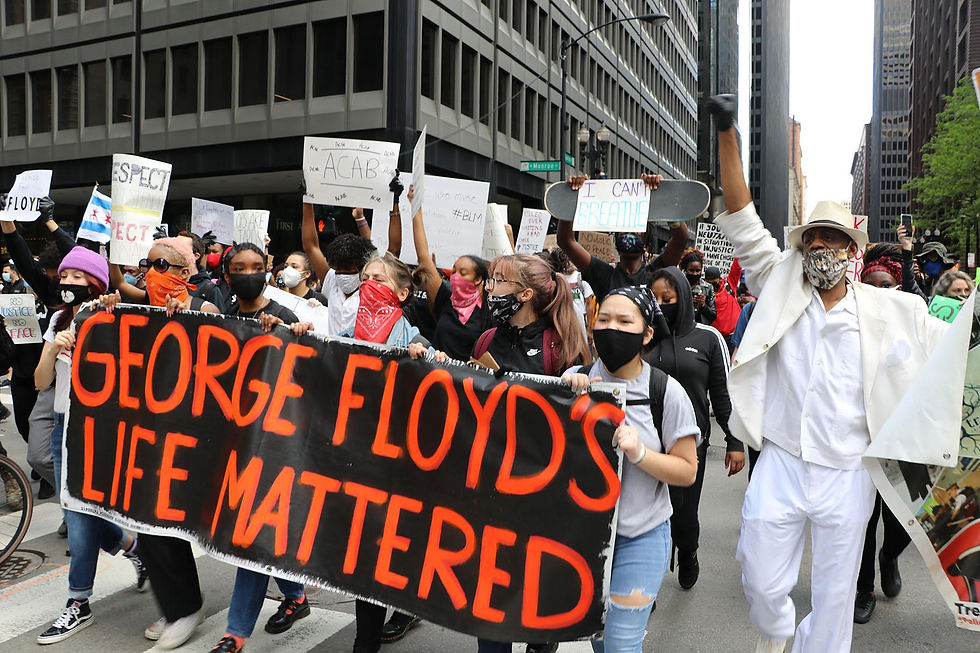
Anyways, I have officially gone off on a rant and I'm ready to get back to where I started. This post is inspired by events that occurred on May 25th, 2020. On a street in Minneapolis, George Floyd, an African American man, was pinned to the ground with a police officer kneeling on his neck for 9 minutes, until he stopped breathing. This murder has ignited protests and riots all around the country. Individuals are begging for the end of police brutality.
That leads me into the title of this blog "finding behavior change procedures to solve social injustices". I am not here to give my input on the protests and riots. I'm here to discuss strategies that could lead to real behavior change. For the purpose of this post, following this tragic event and the hundreds of tragic events before this, I will focus on police brutality and evident racism within the police force. *I want to also say that MOST police officers deserve a HUGE box of warm cookies and so much more for risking their lives every day to keep us safe. Those officers who bring honor to the badge are working harder than ever to save our communities right now. I appreciate you and all you do. I know that one bad individual can bring unnecessary hatred to all. I know that isn't fair and you don't deserve the hate being thrown your way. So I say thank you, for all you do to keep us safe*
Here we get into the behavior change procedures I wanted to discuss. As I stated in one of my earlier posts, Applied Behavior Analysis is a set of principles that focuses on how behaviors change, how individuals learn, and what environmental factors effect behavior. So using these principles, what environmental factors may lead to these instances of police brutality? How can we use the principles of reinforcement and punishment to change behaviors associated with racism? What is the function of the behavior when these instances occur?
Each situation may have its own answers to these questions. But is it possible that there are similar factors in these situations of police brutality? If there are, isn't it possible to create behavior change through pin pointing these key factors such as lack of sensitivity training, lack of exposure to different ethnicities, lack of mental health services, lack of underlying bias screening, etc.
For example, I went to the University of Nebraska. In my time at the University I was required to take a course on diversity and inclusion. Some background knowledge, I grew up in a town of 1,000 people. My graduating class maxed out at 120 students. I had never even visited a city outside of the midwest. I entered this classroom unaware of the challenging discussions that were on the table. Our professor did something for us that I had never experienced. She opened each class with a question meant to spark respectful debate and dialogue between classmates, often but not always revolving around race. She would monitor the discussion adding questions, comments, and talking points along the way. Never did she stop the discussion early or tone it down when it started getting heated. She let us learn how to discuss tough issues while respecting the other viewpoint. This was a life lesson I will never forget.
Anyways, within this class she had each student take a quiz to determine our underlying bias toward a race other than our own. We each brought our results to class the next day to discuss what they meant. How can this quiz say that I am a racist when I truly don't feel any hate in my heart? We talked about how lack of exposure to individuals who are not the same as ourselves can lead to fear and anxiety. This class became a safe place to talk about the difficult topics.
The reason I bring this up, could this tool be used in training police officers? Teachers? Doctors? Could we determine underlying bias and risk factors amongst individuals? After determining this, could we put support systems in place to help change ones way of thinking? Or screen out individuals who flag as a risk to others? If we started with a small study in a city that had say
10 cases of police brutality a year, could we bring those numbers down significantly over time? If we could, could we implement these procedures on a much larger scale.
These are all questions I don't have the answer to. I wanted to lay them all out there as possible solutions to a problem that has gone too far. As a future behavior analyst, I've started to see the responsibility that lies ahead. We spend our time keeping up with the research, studying behavior change procedures, and finding ways to implement them in our daily lives. It may be time we take this knowledge and create change in a big way.



Comments