

ABA, Autism, and Advocacy
- lizziedunavin
- Oct 25, 2020
- 4 min read
Where are my cornhuskers at? Born and raised in the center of the USA, Lincoln Nebraska is where it’s at. We grew up knowing our neighbor, tailgating on Friday nights, eating Runzas like it’s our job, and driving 20 minutes through a cornfield to find the next town over. It’s a life we have grown to love.

That is until you arrive at the doctor and get the news, your child has autism. I know what you’re thinking, what does living in Nebraska have to do with autism? Well, nothing that I know of when it comes to autism itself. There is no magic statistic about number of children diagnosed with autism across each state line.
“About 1 in 54 children has been identified with autism spectrum disorder (ASD)”
There is however a distinct difference in number of effective treatment facilities. Before I dive deep into the numbers, I want you all to understand what applied behavior analysis (ABA) consists of.
According to autismspeaks.org ABA is “a therapy based on the science of learning behavior”
As a future behavior analyst, my goal is to apply ABA to a variety of contexts, environments, and situations across daily life. But ABA is most well-known as a treatment for autism. Along with other well-known therapies such as occupational therapy, physical therapy, and speech-language therapy, applied behavior analysis is a valuable asset to increase skill sets of children diagnosed with autism or various behavior disorders.
Applied behavior analysis aims to understand how a behavior works, how the environment effects a behavior, and how an individual learns. Along with decreasing problem behaviors, ABA aims to increase language and communication, attention, focus, and social skills, and more. For children with a diagnosis of autism, these skills are often skills that are lacking. Leading to ABA as a primary treatment plan for children with autism.
Strategies often used with applied behavior analysis include positive reinforcement (adding something the child enjoys to the environment in order to increase a behavior), antecedent interventions (changing what happens before the behavior occurs), consequence interventions (changing what happens after the behavior occurs), and other various evidenced based intervention plans. I say evidenced based because ABA therapy is typically conducted by a board-certified behavior analyst (BCBA). As a BCBA we abide by a professional and ethical code. Part of this code includes only using interventions that have been researched and proven to be effective in multiple studies.
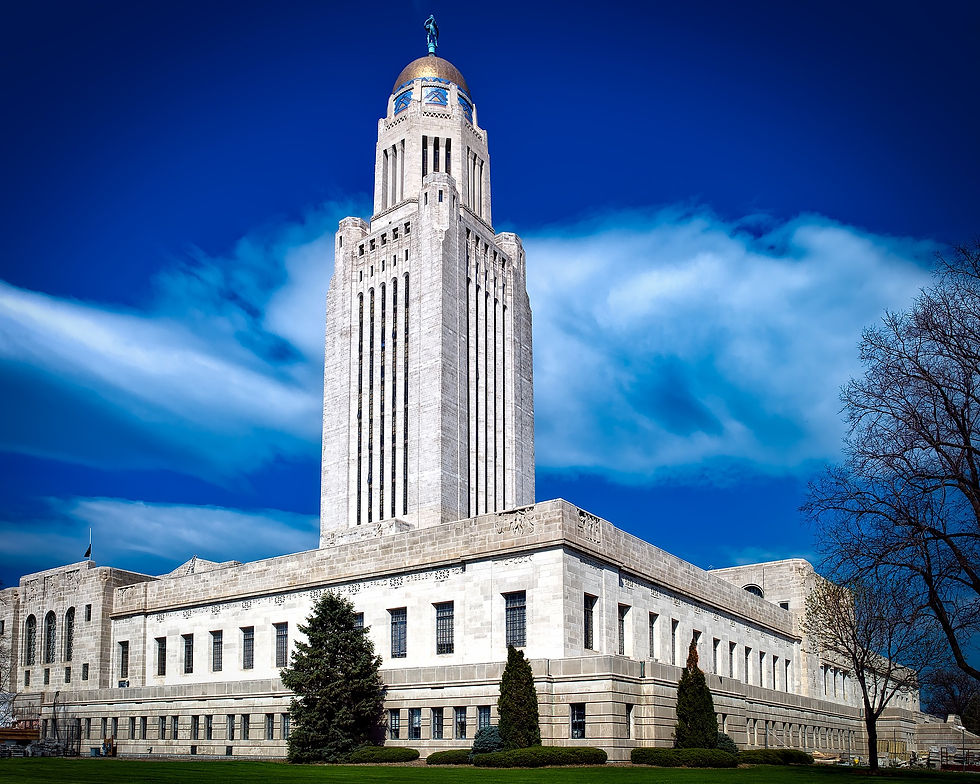
Okay so back to Nebraska, specifically my hometown, the state capital, Lincoln, Nebraska. Lincoln’s population has grown to 293,905 individuals as of 2020. Given a quick google search “ABA providers in Lincoln, NE”, there were three organizations listed, that included ABA therapy as a service provided. These organizations are: Dynamic Learning Inc., Autism Services of Lincoln, and Behaven Kids. Along with these three organizations, there is a possibility of individuals throughout the community who may provide home services. However, for the sake of this post we will compare only the three organizations listed on the google search.
Now let’s take a look at a similar community half way across the country, Worcester, Massachusetts. Worcester’s population is 186,433, significantly smaller than Lincoln. But still, the second largest city in the state. The same google search “ABA providers in Worcester, MA”, yielded far different results. With 100,000 less people in the city of Worcester, there are more than double the number of clinics offering ABA therapy. Worcester has at least seven clinics, not including any individuals offering home-based services that may not appear in a surface level google search.
The purpose behind a post of this nature is not to bash on Nebraska by any means! I love this state and all it has to offer. The purpose of this post is to advocate for more services in a community where they are desperately needed. According to estimates from CDC’s Autism and Developmental Disabilities Monitoring (ADDM) Network. “About 1 in 54 children has been identified with autism spectrum disorder (ASD)”
According to censusreporter.org 22% of Lincoln’s population is under the age of 18 years old. That means theoretically there are over 1,000 children in the community with an ASD diagnosis. That drastic number of children cannot realistically all be served within three clinics.
In the last 21 years, the number of BCBA’s has grown from 28 to 42,272. With growth of that proportion, it begs the question, why in one of the largest cities in the U.S. are there children diagnosed with autism who have no access to ABA therapy?
Lincoln, Nebraska is by no means a rural community. With over 290,000 people, Lincoln ranks as the 70th largest city in all of America. Yet, there are children in our community diagnosed with autism spectrum disorder (ASD) who sit on waiting lists for months instead of receiving the services individuals fought so hard to have access to.
(NE Statute §44.7.104 (2014) Requires coverage for any individual or group insurance to provide coverage for the screening, diagnosing and treatment of autism spectrum disorder. This means any child in the state of Nebraska can received ABA therapy covered by insurance.)

In my opinion, the only way we will see a rise in BCBAs in the community, is by creating BCBAs in our community. Applied Behavior Analysis is a field growing at a rapid pace, yet the largest University in the state does not yet offer this program. In order to advocate for a community inclusive to all, we must start by educating those choosing their future career path in the multitude of options applied behavior analysis has to offer.



Thank you Makenzie! I can't wait to hear more about chiropractic care and the incredible benefits for children with autism. I see an amazing partnership in our future.
Love your mission, and definitely agree with needing more BCBAs in the world! I look forward to creating partnerships with BCBAs when I start practicing in a few months! I've seen so many incredible changes in the lives of children with autism that have access to ABA and chiropractic care!